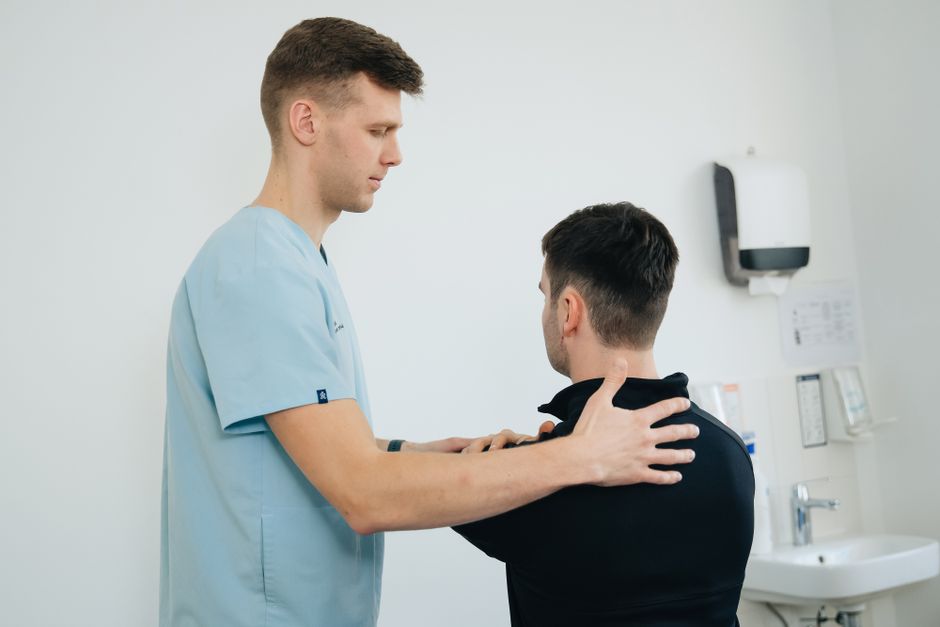
Rotator Cuff Physical Therapy: Rebuild Strength and Motion
A shoulder that aches when you reach for a seatbelt, pull a sweater over your head, or lift a grocery bag has a way of shrinking your daily life. The rotator cuff is a small group of muscles and tendons that stabilizes the shoulder and controls rotation, and it is one of the most commonly irritated areas in the body. For many people, rotator cuff physical therapy treatment is the first option a physician suggests, and for good reason. A structured program can calm pain, restore motion, and rebuild the strength that lets you use your arm normally again.
This guide walks through what a typical physiotherapy program for a rotator cuff injury looks like, which exercises tend to appear in it, how often you should be doing them, and what to expect as you progress. It is general information rather than a personalized plan. Your own shoulder needs an assessment before anyone can say which movements are safe for you.
Why Physical Therapy Is Usually the First Treatment Suggested
When a rotator cuff injury is diagnosed, physical therapy is typically one of the first treatments recommended. The reasoning is straightforward: many rotator cuff problems involve irritated tendons, weak supporting muscles, or poor movement patterns around the shoulder blade, and exercise is one of the few tools that addresses all three at once. Exercises tailored to the specific location of your injury are a core part of care, which means the program you get should reflect where your problem actually sits rather than a generic sheet of shoulder drills.
Surgery is not the automatic next step. A clinician will consider your symptoms, your strength, your imaging results, and how much the shoulder is limiting your life before recommending anything more invasive. In many cases, a well-designed rehabilitation program is tried first, with progress measured over time.
What a Rotator Cuff Physical Therapy Treatment Plan Includes
A good plan is rarely a single technique. Physiotherapy for rotator cuff injuries typically combines targeted rotator cuff exercises, gentle stretches, and manual therapy to address pain and improve scapular motion. Scapular motion simply means how well your shoulder blade glides and rotates as you raise your arm. When the shoulder blade does not move well, the rotator cuff has to work harder, and that extra load often shows up as pain.
Most programs move through phases rather than jumping straight to strengthening. Early visits tend to focus on settling pain, restoring comfortable movement, and teaching you how to use the arm without provoking symptoms. Later visits add resistance and load. This order matters. Building strength on a shoulder that still cannot move freely tends to produce frustration rather than progress.
Manual Therapy and Pain Management
Manual therapy is hands-on work performed by your therapist, and it is used alongside exercise rather than instead of it. The aim is to reduce pain and improve how the shoulder joint and surrounding soft tissue move. Your therapist may also work on the upper back and neck, because stiffness in those areas changes how the shoulder blade sits and moves. Treatment in the early stage is usually gentle. If a technique leaves you sore for days afterward, tell your therapist so the approach can be adjusted.
Range of Motion and Flexibility Work
Restoring range of motion comes before loading the shoulder heavily. Stretching exercises for rotator cuff problems include pendulum swings, where the arm hangs and swings in small circles with gravity doing the work, and shoulder extensor stretches, which target the back of the shoulder. Flexibility and range of motion exercises are generally the ones you can do every day. They are low load and help keep the joint from stiffening between therapy sessions.
Strengthening the Rotator Cuff and Shoulder Blade
Once motion improves, strengthening takes a larger share of the plan. Strengthening exercises are usually done three or four times per week rather than daily, so the muscles have recovery time between sessions. Programs commonly use sets of 12 repetitions for the target muscles, with resistance bands or light weights. Gently stretching after strengthening exercises can help reduce muscle soreness and keep your muscles long and flexible, which is why many programs pair the two at the end of a session rather than treating stretching as a separate task.

Common Rotator Cuff Exercises You Might Be Given
Exercise selection depends on your assessment, but several movements appear again and again in rotator cuff rehabilitation programs. You may see some or all of these over the course of your treatment:
- Pendulum swings, for gentle early range of motion
- Shoulder extensor stretches, for the back of the shoulder
- Doorway stretch, for the front of the shoulder and chest
- Side-lying external rotation, a foundational rotator cuff strengthening drill
- High-to-low rows, which recruit the shoulder blade muscles
- Reverse fly, for the upper back and rear shoulder
- Lawnmower pull, a dynamic pulling pattern that mimics daily activity
- Side-lying or standing arm raises, performed slowly with a short hold at the top
Technique matters as much as the exercise itself. Take a straightforward arm raise. You would start with your affected arm at your side, palm facing forward, then slowly raise the arm out to the side and hold the position for one to two seconds before lowering with control. Rushing that movement, swinging the arm, or shrugging the shoulder upward all change which muscles do the work. Your therapist will watch how you move and correct the details, which is one of the main reasons a clinic visit beats a printout.
How Often Should You Do Your Exercises?
Frequency is one of the most common questions, and the answer differs by exercise type. Flexibility work is generally daily, while strengthening work needs recovery days built in. Your therapist will set the exact numbers for your shoulder, but the general pattern looks like this.
| Exercise type | Examples | Typical frequency |
|---|---|---|
| Range of motion and flexibility | Pendulum swings, shoulder extensor stretches | Every day |
| Strengthening | Side-lying external rotation, rows, reverse fly | Three or four times per week |
| Stretching after strengthening | Gentle stretches for the worked muscles | After strengthening sessions |
Consistency beats intensity. A short session done on schedule will do more for your shoulder than an aggressive session followed by several days off because everything hurt afterward.
How the Shoulder Is Assessed Before Treatment Starts
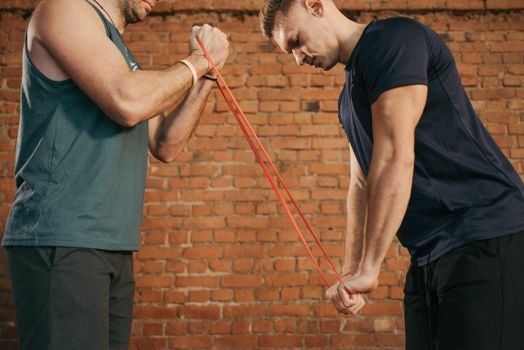
A physical exam is the first step in diagnosing a rotator cuff injury. During the exam, a healthcare professional presses on different parts of the affected shoulder and moves your arm into various positions. They also test the strength of the muscles around the shoulder and in the arm. That combination of touch, movement, and resistance testing tells them a great deal about which structures are involved and what your shoulder can tolerate.
Imaging tests may also be used to help with diagnosis. X-rays are one option. A rotator cuff tear will not show up on an X-ray, but the image can still be useful because it shows the bones of the shoulder joint. If you have had imaging done elsewhere, bring the results to your first physiotherapy visit. If you have not had any and your therapist thinks it is warranted, they can advise you on arranging it.
What Progress Usually Looks Like
Improvement with rotator cuff rehabilitation tends to arrive in a recognizable order. Pain with everyday movements usually settles first. Range of motion comes next, often gradually and sometimes unevenly, with good days and stiff days mixed together. Strength is the slowest to return, which is normal, because tendon and muscle tissue adapt on their own schedule rather than yours.
Progress is not always linear, and setbacks often have an explanation: a week of heavy lifting, a night slept in an awkward position, or a jump in resistance bands before the shoulder was ready. Your therapist will reassess at intervals and adjust the program. Bringing honest feedback about what hurts and what feels easier is more useful than trying to perform well in the clinic. How quickly any individual recovers depends on the type and severity of the injury, overall health, and how consistently the home program is followed, so be cautious about anyone promising a fixed timeline.
Choosing a Clinic for Shoulder Rehabilitation
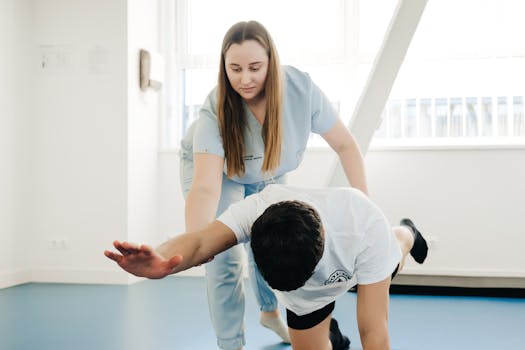
Shoulder pain rarely sits in isolation. Neck stiffness, upper back posture, and shoulder blade mechanics all influence how the rotator cuff behaves, which is why a clinic that can address the whole chain tends to be a practical choice. Success Rehab Clinic has operated since 1996 and provides physical therapy, chiropractic, and massage therapy under one roof, with a goal-oriented approach that focuses on returning patients to pain-free function. That mix of services means your shoulder can be treated alongside the neck and upper back issues that often accompany it, and your plan can be adjusted as your strength and motion improve.
Frequently Asked Questions
Can a rotator cuff injury heal with physical therapy alone?
Many rotator cuff injuries respond well to conservative care, and physical therapy is typically one of the first treatments recommended. Whether therapy alone is enough depends on the type and severity of your injury, your age, your activity goals, and how you respond to exercise over time. A clinician who has examined your shoulder and reviewed your imaging is the right person to answer this for your situation.
What is the best exercise for a torn rotator cuff?
There is no single best exercise, because the right choice depends on where the injury sits and what your shoulder can handle. Programs often include side-lying external rotation, rows, reverse fly, and the lawnmower pull for strength, plus pendulum swings and shoulder extensor stretches for motion. Exercises tailored to the specific location of your injury work better than a general list.
How often should I do my rotator cuff exercises?
Range of motion and flexibility exercises are generally done every day, while strengthening exercises are typically done three or four times per week to allow recovery between sessions. Many programs use sets of 12 repetitions for the target muscles and finish with gentle stretching to reduce soreness. Your therapist will set specific numbers based on your assessment and adjust them as you progress.
Should stretching or exercise hurt?
Mild discomfort during a stretch is common, but sharp pain, pain that lingers for hours afterward, or pain that wakes you at night are signals to ease off and check in with your therapist. The line between productive effort and irritation is not always obvious on your own, which is why form checks and program adjustments during clinic visits matter so much.
Do I need imaging before starting physiotherapy?
Not always. A physical exam is the first step in diagnosing a rotator cuff injury, and your therapist will press on different areas, move your arm into various positions, and test your strength. Imaging such as X-rays may be used to help with diagnosis. An X-ray will not show a rotator cuff tear, but it can show the bones of the shoulder joint.