
Massage Therapy and Chiropractic Care: How They Work Together

Back and neck pain, sciatica, sports injuries, and everyday muscle tension can make work, exercise, and rest feel difficult. When pain lingers, it is natural to wonder which type of care will actually help. Chiropractic care, massage therapy, and physiotherapy are often mentioned together, but each one takes a different approach to the same problem. Understanding how these treatments differ, and how they connect, is the first step toward a recovery plan that makes sense for your body.
Massage therapy and chiropractic care are the two services that patients most often compare. Chiropractic care targets joints, spinal alignment, and the nervous system, while registered massage therapy (RMT) targets muscles, fascia, and soft tissue tension. These definitions are simple, but they explain why the two treatments pair so well. One approach works on the structure of the body, while the other works on the soft tissues that support it.
What Chiropractic Care Addresses
Chiropractic care is a hands-on approach that centres on the spine and the musculoskeletal system. It emphasizes the connection between the anatomical structure of the spine and its physiological performance. Chiropractors use manipulation of the spine to restore proper alignment, reduce pain, enhance function, and assist the body’s natural recuperative processes. The overall goal is to normalize joint motion and nervous system function.
Chiropractic treatment is often recommended when pain comes from a joint or from the spine itself. It addresses structural and nerve-related issues that can show up as neck pain, back pain, sciatica, or discomfort that follows the path of a nerve. It also supports the unhindered function of the nervous system, which allows the rest of the body to communicate clearly and work more efficiently. For many people, chiropractic care is the fastest route to relief when the source of the problem is mechanical.
What Registered Massage Therapy Addresses
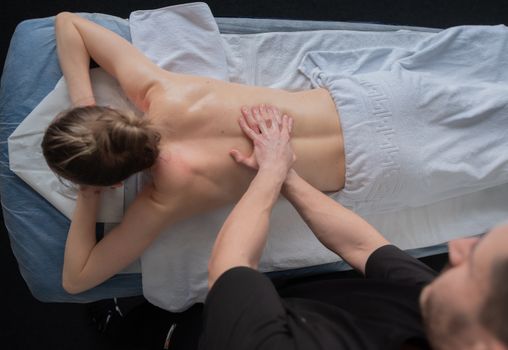
Registered massage therapy approaches pain from the soft tissue side. RMTs work on the muscles, fascia, and soft tissue tension that often contribute to pain and restricted movement. Unlike chiropractic care, which focuses on joints and the spine, massage therapy works directly on the tissues that surround those structures. This makes it especially helpful for tight, overworked, or chronically sore muscles.
Massage promotes tissue recovery and circulation, which supports the body’s ability to repair itself after injury or heavy physical demand. It also plays a supportive role in chiropractic treatment. Massage therapy can help prepare the body for chiropractic adjustments by relaxing muscles and increasing blood flow to the spine and nervous system. When the tissues around the spine are more relaxed, the body is often more receptive to the structural work a chiropractor performs.
How Massage Therapy and Chiropractic Care Work Together
Massage therapy complements chiropractic care for patients who want more than a single treatment. Chiropractic care helps normalize joint motion and nervous system function, while massage therapy promotes tissue recovery and circulation. One improves the way your joints move, and the other improves the way the surrounding muscles respond. Together, they can provide a more comprehensive solution to musculoskeletal issues than either treatment can offer on its own.
-
Chiropractic care targets joints, spinal alignment, and the nervous system.
-
Registered massage therapy targets muscles, fascia, and soft tissue tension.
-
Massage helps prepare the body for chiropractic care by relaxing muscles and increasing blood flow to the spine and nervous system.
-
Massage helps muscles stay relaxed and assists the body in healing faster after an injury.
-
Routine visits to both practitioners can help maintain healthy movement, reduce pain, and support overall well-being.
Both chiropractic care and massage therapy are popular forms of holistic treatment. When they are used together, they can offer relief and recovery for musculoskeletal injuries while also supporting long-term maintenance. Patients who see both an RMT and a chiropractor on a regular basis often notice that their bodies feel more balanced between appointments and that small aches do not build into bigger problems.
Which Treatment Should Come First?
Choosing between massage therapy and chiropractic care depends on where your pain is coming from. If your pain is coming from a joint or from your spine, chiropractic care is usually the best place to start. If your muscles are tight, overworked, or chronically sore, registered massage therapy is your best first call. Identifying the source of the problem makes the choice much simpler.
For most people dealing with chronic pain or an injury, however, the two treatments work best together. The order of care can also change over time. Some patients begin with massage to relax the tissues and increase blood flow before their chiropractic appointment. Others prefer to receive an adjustment first, then use massage afterward to help their muscles stay relaxed and to speed up tissue healing. A chiropractor or massage therapist can recommend a sequence based on your specific condition and symptoms.
The Role of Physiotherapy in a Coordinated Plan
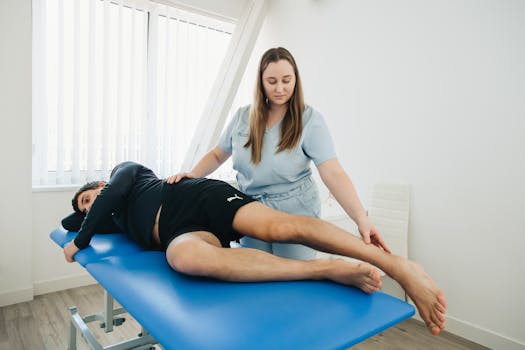
Chiropractic care and massage therapy are often the first services that people think of, but physiotherapy has a place in the same recovery plan. Multidisciplinary clinics offer these services together so that patients do not have to coordinate their own care across different offices. Success Rehab Clinic has offered physical therapy, chiropractic care, and massage therapy, with a focus on returning patients to pain-free health through honest, goal-oriented treatment.
Each discipline contributes a different set of skills. Chiropractic care addresses joint and spinal alignment, massage therapy addresses muscle and soft tissue tension, and physiotherapy contributes to rehabilitation and functional restoration. When these approaches are provided by one team, treatment can be adjusted as you progress. The result is a plan that reflects your actual condition rather than a single treatment method applied to everyone.

Building a Routine That Supports Long-Term Health
One of the most valuable reasons to combine massage therapy and chiropractic care is prevention. Routine visits to both practitioners can help with the maintenance of healthy movement, the reduction of pain, and a general sense of health and wellness. Rather than waiting for a flare-up, many patients use massage and chiropractic care as a regular part of their health routine.
Massage keeps muscles relaxed between adjustments, and chiropractic care keeps the joints and nervous system functioning properly. Over time, this combination can help you stay active, recover more quickly from daily physical demands, and avoid the cycle of tension and misalignment that leads to recurring pain. If you are unsure which treatment fits your situation, a team that offers both can help you decide based on your symptoms, your activity level, and your recovery goals.
Frequently Asked Questions
Can I receive massage therapy and chiropractic care together?
Yes. Many clinics provide registered massage therapy and chiropractic care together. Massage therapy can help prepare the body for chiropractic adjustments by relaxing muscles and increasing blood flow to the spine and nervous system. It can also help the body heal faster after an injury. For most people dealing with chronic pain or an injury, the combination works better than either treatment on its own.
What is the difference between chiropractic care and massage therapy?
Chiropractic care targets joints, spinal alignment, and the nervous system, while registered massage therapy targets muscles, fascia, and soft tissue tension. Chiropractic care addresses structural and nerve-related problems. Massage therapy helps with tissue recovery, circulation, and muscle relaxation. They are different treatments with complementary purposes, which is why combining them can be so effective for musculoskeletal complaints.
Should I see a chiropractor or massage therapist first?
If your pain is coming from a joint or the spine, chiropractic care is usually the best first step. If your muscles are tight, overworked, or chronically sore, massage therapy is your best first call. Many patients with chronic pain or an injury benefit most from both. A practitioner can help you sequence your appointments based on your specific symptoms and recovery goals.
Massage therapy and chiropractic care are not competing options. Chiropractic care restores joint motion and nervous system function, while massage therapy keeps muscles relaxed and supports tissue recovery. When physiotherapy, chiropractic care, and massage therapy are all available within one clinic, patients gain access to a fuller picture of their recovery. Together, these treatments can help you move with less pain, recover more completely, and maintain healthier movement for years to come.